Clearing the Air Around Brain Fog
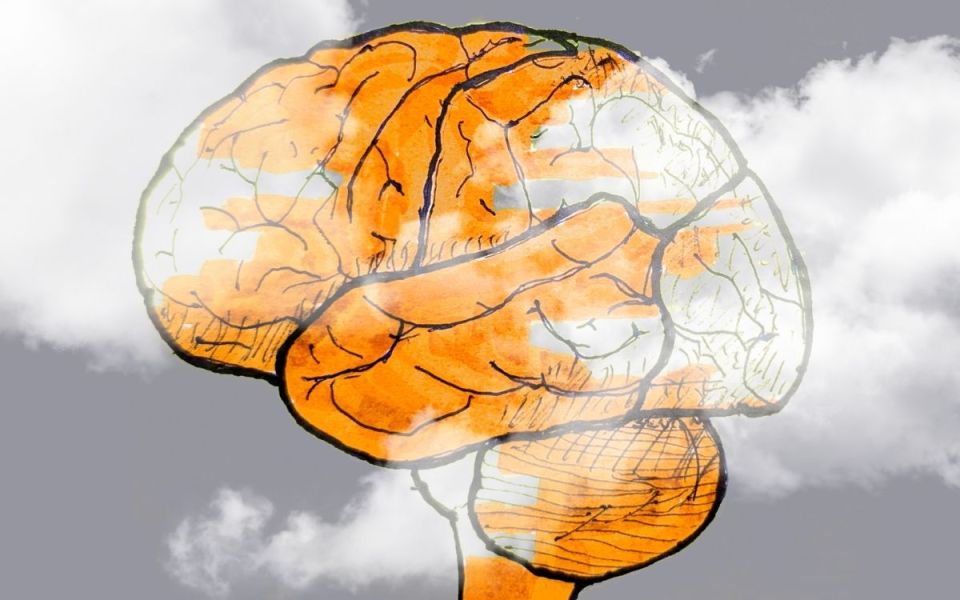
There is a new addition to my family, and that means I don’t get much sleep. The lack of sleep makes me cranky, sleepy, and gives me a lot of trouble paying attention and remembering things - especially words and names. Well, it gives me even more trouble with those than usual. It’s almost like there’s a layer of vague confusion over everything… a fog on my brain… or a brain fog, if you will.
Brain fog is highly prevalent, especially as a symptom of chronic diseases, though it can be difficult to define exactly what it is.[1,2] People use “brain fog” to describe a specific symptom or a syndrome (set of related symptoms) interchangeably, and the exact definition varies from person to person.[2] In spite of this, the phenomenon of a hazy drop in ability to concentrate, plan, make decisions, and talk is both very real and worth exploring.[2]
Brain fog is a complication (or symptom, or related syndrome) in many chronic diseases and conditions, including:[1,2,3]
- Chronic fatigue
- COVID-19
- Fibromyalgia
- Immune disorders of the brain
- Lupus
- Menopause or Perimenopause
- POTS
- Sleep disorders
- Thyroid issues
- Traumatic Brain Injury (TBI)
Brain fog makes all of these diseases and conditions worse. Brain fog is associated with poor quality of life, social, and occupational disability - if thinking is hard, working is hard.[1] Looking at that list above, those are very different conditions, so it’s a little odd for them all to include brain fog as a symptom. Some of this may be explained by ambiguities in our language: the term may be too broad and may describe different types of confusion or cognitive dysfunction.[2] Even if this is the case, scientists have found some similarities between brain fog from different conditions.
If we look a little closer, brain fog shows similar functional changes regardless of the underlying condition: slowed processing speed, increased fatigue, and decreased attention.[2] Scientists have pieced together some (albeit inconsistent) changes that may occur during brain fog: changes to oxygen delivery to the brain, increased markers of inflammation in the brain, and dysfunction of the blood-brain barrier.[2] The blood-brain barrier, for context, is a network of cells that form a border around blood vessels in the brain, tightly regulating which substances can enter and exit. Some evidence suggests that brain fog is also related to special immune cells called mast cells.[3] Mast cells detect danger, alert the immune system, and regulate the blood-brain barrier.[3] Dysfunctional mast cell activity, however, can result in allergies, inflammation of the brain, and mitochondrial (cellular energy) problems.[3] Even more damning, over 90% of those with mast cell disorders report experiencing brain fog.[3] These findings do not confirm that a case of brain fog is caused by problems with the blood-brain barrier, brain inflammation, oxygen changes, or mast cell dysfunction, but people with these conditions may experience brain fog.[2,3]
So what can be done to change the forecast of brain fog? There is not much research in this field, but in many cases the clear answer is to treat the underlying condition. Prevention of COVID-19 with a vaccine, solid sleep for those with sleep disorders, thyroid medication for people with hypothyroidism, and treatment for other conditions should help alleviate the related neural symptoms, including brain fog. This means a one-size-fits-all approach to brain fog is unlikely, though some scientists have been working on just that.[3] One possible approach would be to target inflammation, blood-brain barrier changes, and mast cell dysfunction through anti-inflammatory agents.[3,4] Researchers have specifically proposed that substances called flavonoids should be researched.[3,4] There are some flavonoid-based supplements, like luteolin, which have been proposed as helpful, but they have not undergone clinical trials, must be used with caution, and should be discussed with a doctor before use.[3,4] The best source of flavonoids is in the foods we eat. Leafy green plants and seeds are typically high in flavonoids and are a low-risk way to test the theory.[3] Regardless of your specific circumstance, if you are experiencing brain fog, make sure you discuss it and any changes to your healthcare regimen with your doctor. And if you have any tips for getting your infant to sleep through the night, that would be helpful!
Creative Director Benton Lowey-Ball, MWC, BS, BFA
|
|

References:
[1] Denno P, Hampshire A. Defining Brain Fog-A Transdiagnostic Narrative Review. European Psychiatry. 2025 Apr;68(S1):S602-3. https://doi.org/10.1192/j.eurpsy.2025.1226
[2] Denno P, Zhao S, Husain M, Hampshire A. Defining brain fog across medical conditions. Trends in Neurosciences. 2025 May 1;48(5):330-48. https://doi.org/10.1016/j.tins.2025.01.003
[3] Theoharides TC, Stewart JM, Hatziagelaki E, Kolaitis G. Brain “fog,” inflammation and obesity: key aspects of neuropsychiatric disorders improved by luteolin. Frontiers in neuroscience. 2015 Jul 3;9:225. http://dx.doi.org/10.3389/fnins.2015.00225
[4] Theoharides TC, Cholevas C, Polyzoidis K, Politis A. Long‐COVID syndrome‐associated brain fog and chemofog: Luteolin to the rescue. Biofactors. 2021 Mar;47(2):232-41. https://doi.org/10.1002/biof.1726