
Flu vs. RSV: Vaccines, Symptoms, and Prevention Tips for the Season Ahead
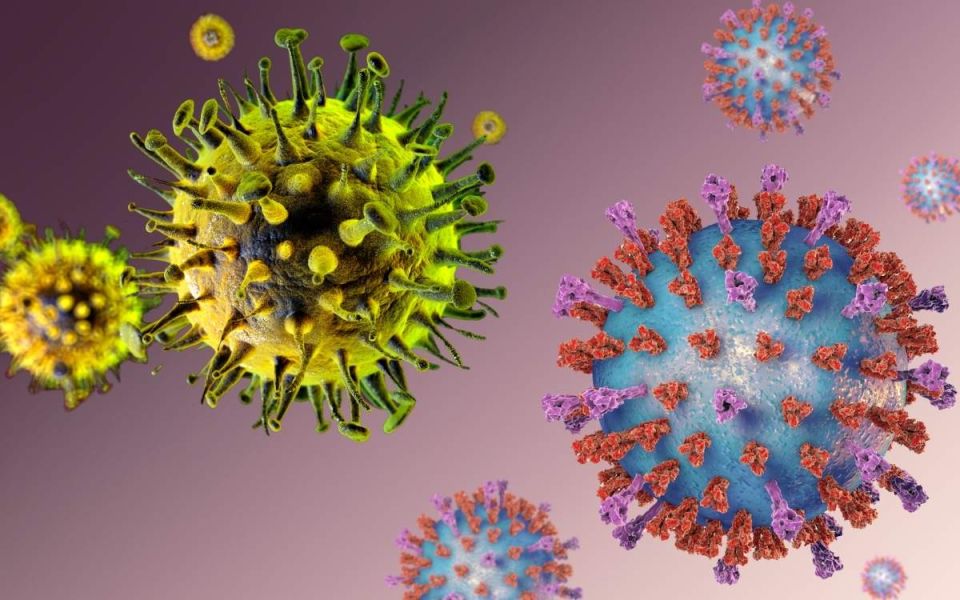
It’s time to clear the air about two major seasonal illnesses, RSV (respiratory syncytial virus) and the flu.
Both flu and RSV are respiratory viruses that infect the lungs and affect breathing. Both are caused by viruses that spread through droplets from coughing and sneezing and can survive on surfaces for several hours, contributing to their contagiousness. Common-sense measures to stop the spread of both include frequent handwashing, avoiding close contact with sick individuals, and staying home when you notice symptoms. Furthermore, vaccines have saved literally millions of lives from both diseases. So what’s the difference between the flu and RSV? To start, the two respiratory infections are caused by different viruses.
Influenza viruses, primarily types A and B, cause the flu. These viruses mutate frequently, allowing them to evade our immune system and infect us year after year. In fact, influenza viruses cause about one billion cases of the flu every year, and their high mutation rate is why we update flu vaccines annually. Symptoms of the flu typically include:
- Sudden onset of fever
- Chills
- Muscle aches
- Cough
- Sore throat
- Gastrointestinal issues like nausea
The flu can affect people of all ages but tends to be more severe in young children, older adults, pregnant women, and those with chronic health conditions. In the Northern Hemisphere, flu outbreaks typically occur in the fall and winter months, which we call flu season.
Since the flu virus changes so much from year to year, flu vaccine clinical trials are needed annually. The flu vaccine trains our immune system to recognize different influenza mutations quickly so our body can kill the virus and keep it from getting us sick. Annual clinical trials and flu shots ensure the latest flu vaccine targets the dominant strain each season and helps reduce illness severity in those who do get infected.
Respiratory Syncytial Virus (RSV) is a common virus that infects the lungs and respiratory tract. Symptoms range from mild and cold-like, such as runny nose and cough, to more severe lower respiratory tract infections, like bronchiolitis and pneumonia. Lower respiratory tract infections are both more common and more dangerous in infants and older adults with compromised immune systems. RSV infections in the U.S. typically begin in the fall and peak in the winter. Yearly flu vaccinations have helped mitigate the risk of influenza for decades, but RSV vaccines have only recently become available following FDA approvals in 2023 and 2024.
The first two vaccines to be approved use protein subunits, which are parts of RSV that can train the immune system without causing infection. Messenger RNA (mRNA) vaccines do the same thing, but our cells make the protein subunits inside of the body.
- 2023 - Abrysvo, a protein subunit vaccine developed by Pfizer. It is approved for adults 60 years and older; adults 18–59 years who are at increased risk for RSV, and was the first vaccine approved for use in pregnant individuals (32 through 36 weeks pregnant) to prevent lower respiratory tract disease caused by RSV in infants from birth through 6 months of age.
- 2023 - Arexvy, a protein subunit vaccine with adjuvant to strengthen the immune response developed by GSK. Approved for adults 60+; adults 18–59 at increased risk of severe RSV. The 18–49 group was added in 2026.
- 2024, mResvia, an mRNA vaccine developed by Moderna. Approved for Adults 60+; adults 18–59 at increased risk (added June 2025).
Beyond vaccines, which train the immune system to recognize RSV, two long-lasting antibodies can be given to babies: AstraZeneca’s Beyfortus [nerr-SEV-ih-mab A-lip] (nirsevimab-alip) was approved in 2023 for babies up to 8 months old, and Merck’s Enflonsia (clesrovimab-cfor) [en-FLON-sia Cles-ROV-ih-mab C4] was approved in 2025 for babies up to 12 months old. Antibody medications like these protect the body by giving it disease-fighting antibodies without training the body to fight on its own.
At-home treatment for both illnesses focuses on rest, hydration, and symptom management. Patients can use over-the-counter medication such as acetaminophen (Tylenol) or ibuprofen to reduce fever or aches. Most people can recover from the flu and RSV at home; however, special care should be given to infants, pregnant women, and older adults. For these populations, clinical trials that investigate new flu and RSV formulations can mean the difference between life and death.
Participating in clinical trials for flu and RSV vaccines is crucial to advancing medical knowledge and improving public health. Understanding the differences between the flu and RSV is an important part of staying healthy during respiratory virus season.
Originally written by: Manogna Chandra, 2024 Intern, ENCORE Research Group
Updated: September 2026 by Benton Lowey-Ball & Rebecca Simpson
|
|

References
National Foundation for Infectious Diseases.(n.d.). How to tell the difference between flu, RSV, COVID-19, and the common cold. [Website]. https://www.nfid.org/resource/how-to-tell-the-difference-between-flu-rsv-covid-19-and-the-common-cold/
MercyOne. (n.d.). Is it COVID-19, the flu, or RSV? [Website]. https://www.mercyone.org/health-and-wellness/health-answers/covid-19-what-you-need-to-know/covid-19-blogs/is-it-the-flu-or-a-cold
Dartmouth Health. (2024, February 2). How do you know if you have COVID-19, flu, or RSV? [Website[. https://www.dartmouth-hitchcock.org/stories/article/how-do-you-know-if-you-have-covid-19-flu-or-rsv
U.S. Food & Drug Administration. (2024, August 7). Respiratory syncytial virus (RSV). https://www.fda.gov/consumers/covid-19-flu-and-rsv/respiratory-syncytial-virus-rsv
World Health Organization. (2025, February 28). Influenza (seasonal). [Website, accessed 2025, October 24]. https://www.who.int/news-room/fact-sheets/detail/influenza-(seasonal)
U.S. Food & Drug Administration. (2023, July 17). FDA approves new drug to prevent RSV in babies and toddlers. [Website, accessed 2025, October 24]. https://www.fda.gov/news-events/press-announcements/fda-approves-new-drug-prevent-rsv-babies-and-toddlers
Merck. (2025, June 9). U.S. FDA approves Merck’s ENFLONSIA™ (clesrovimab-cfor) for prevention of respiratory syncytial virus (RSV) lower respiratory tract disease in infants born during or entering their first RSV season. [Website, accessed 2025, October 24]. https://www.merck.com/news/u-s-fda-approves-mercks-enflonsia-clesrovimab-cfor-for-prevention-of-respiratory-syncytial-virus-rsv-lower-respiratory-tract-disease-in-infants-born-during-or-entering-their-fir