
How Excess Body Fat Affects Blood Sugar Control
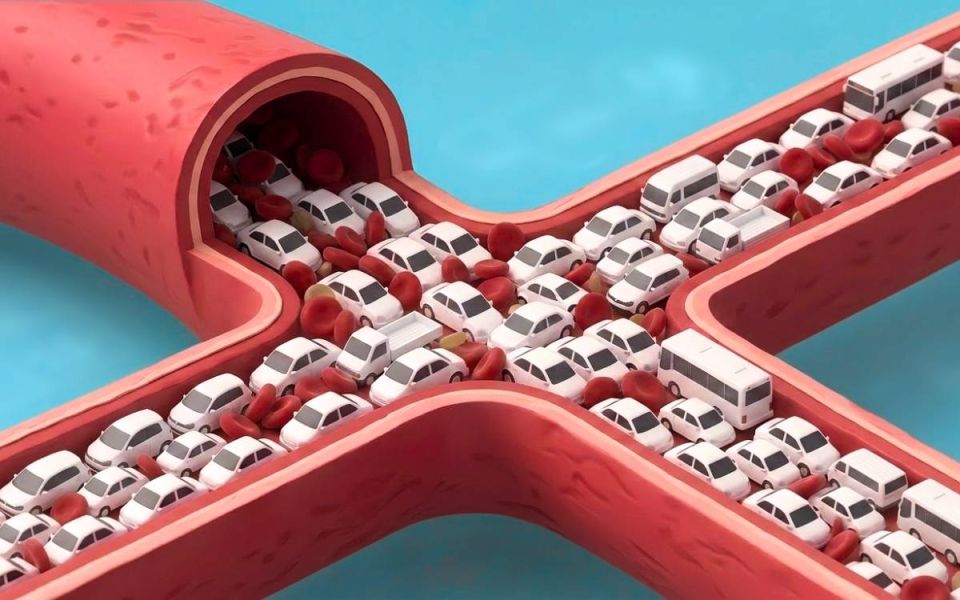
I can’t stand traffic. I got stuck in traffic earlier this morning on my way to work, and it was a bad jam. I was stuck on the interstate for what felt like hours, and even now it’s still held up. When I think about it, though, it must be hard to design infrastructure that can cope with such a high concentration of cars on the road. When almost nobody is driving, a traffic jam is rare, but when it’s 8:30 in the morning or 4:45 on a Friday afternoon, it seems like traffic could not be worse if it tried (it always can).
Traffic jams are similar to what happens in the body when excess fat buildup leads to insulin resistance. Insulin is a key hormone that helps the body regulate blood sugar levels by allowing glucose (sugar) to move from the bloodstream into the body’s cells, where it can be used for energy. When there are too many cars on the road, it gets congested and clogged up. In a similar way, when the body stores too much fat, the fat cells can become enlarged and may not receive enough oxygen.[1] This causes the body to surround fat cells with collagen fibers, causing fibrosis (thickening or scarring) of the fatty tissue.[2] Another thing that happens when there are too many cars on the road is that you’ll find more cops in the area. This is what happens with your immune system when there’s excess fat. It attracts white blood cells that can trigger inflammation and disrupt the body’s normal response to insulin.[3] This becomes especially problematic as the inflammation can, in turn, stimulate extra collagen fibrosis in a feedback loop.[3]
The issues from excess fat aren’t limited to the fatty tissues, though. Arguably, the biggest issue is that the fat cells can have “accidents”. These aren’t quite as exciting as a car crash, but they might be just as dangerous in the long run. Fat cells release free fatty acids that they would normally store as triglycerides into the bloodstream while simultaneously decreasing insulin-sensitizing hormone production.[4,5] This double-whammy causes the body to respond more weakly and slowly to insulin,[5] just as traffic accidents can slow down first-responders. Because of this, your body needs to release more insulin to respond to sugar in the diet. If this goes on for too long at too high a level, the pancreas, which makes insulin and other hormones, gets burned out and can’t keep up with sugary traffic demands. This is how type 2 diabetes develops, and why it’s so commonly paired with obesity.[5]
So you might be wondering, “what can we even do?” The good news is that several promising solutions are on the way, and some are already here. The first-line treatment for those with diabetes is metformin, a medication designed to help reduce glucose production in the liver. It may also be taken by those who are “pre-diabetic” in order to help prevent or delay the onset of type 2 diabetes.[6]
Another important class of medications is SGLT2 inhibitors (sodium-glucose cotransporter 2), which includes drugs such as Jardiance, Farxiga, and Invokana. These medications lower blood sugar by helping the kidneys remove excess glucose through the urine, rather than relying on the pancreas to produce more insulin. In addition to improving glucose control, SGLT2 inhibitors have been shown to provide benefits for heart and kidney health, making them an important treatment option for many people.
Recently, though, there have been major advances in weight loss therapies that also act on blood sugar and are designed to effectively “help get cars off the road”.
- Glucagon-like peptide-1 (GLP-1) is a hormone produced primarily in your intestines. It keeps your stomach full for longer while also increasing insulin sensitivity.[8] GLP-1 medications mimic the body’s natural GLP-1. Medications such as Ozempic and Wegovy have become increasingly popular due to their effectiveness in supporting weight loss. GLP-1 medications were originally developed to treat type 2 diabetes, though researchers soon noticed that many patients were losing significant amounts of weight while taking them. This led to manufacturers to conduct studies specifically targeting weight loss, and several GLP-1 medications have been approved by the FDA for weight loss. One of the effects of GLP-1 medications is a reduction in appetite. Think of it as getting people to work from home; fewer commuters mean less traffic on the roads. In the same way, GLP-1 medications help reduce the amount of glucose and fat entering the body, making it easier for the body’s metabolic “highways” to operate efficiently.
- Glucose-dependent insulinotropic polypeptide (GIP) is another hormone produced by the intestines and stimulated after eating. It may improve insulin sensitivity[9] and work to complement the effects of GLP-1s, which is why some newer medications combine GIPs with GLP-1s.[10] These are more like taking trains or buses instead of driving. They complement the “work from home” strategy well.
- Glucagon is a very different type of hormone. While insulin helps move glucose out of the bloodstream, glucagon works in the opposite direction by raising blood sugar when the body needs more energy. Glucagon is naturally produced by the pancreas, and signals the body to tap into its stored energy reserves, including fat. Because of these effects, researchers are investigating glucagon for use in next-generation weight loss therapies.[11] This is more like encouraging biking to work. Fewer cars on the road means less traffic, and the cyclists are burning energy along the way.
- Amylin is a hormone that helps regulate how the body responds to a meal. It increases satiety (fullness), slows gastric (stomach) emptying, reduces glucagon secretion, and helps smooth out blood sugar levels after eating.[12] Unlike GIP, amylin acts directly on the brain to reduce hunger at its source.[12] It is naturally released with insulin right after you eat to let you know when it's time to stop. It is like metering lights at a busy highway entrance preventing traffic jams.
These therapies are among the most effective tools we have to manage excess body fat and high blood sugar. Unlike my commute, where the ideal strategy seems to be “leave earlier and hope for the best,” our understanding of metabolism continues to advance at a remarkable pace. New treatments are emerging every year, and the next generation of therapies looks especially promising. My commute may still be a fight through traffic, but the jam of excess fat in the body may finally be starting to move.
Acting Coordinator Daniel Benton
|
|

References:
[1] Klein S, Gastaldelli A, Yki-Järvinen H, Scherer PE. Why Does Obesity Cause Diabetes? Cell Metabolism [Internet]. 2022 Jan 4 [cited 2026 July 6];34(1):11–20. Available from: https://pmc.ncbi.nlm.nih.gov/articles/PMC8740746/
[2] Halberg N, Khan T, Trujillo ME, Wernstedt-Asterholm I, Attie AD, Sherwani S, Wang ZV, Landskroner-Eiger S, Dineen S, Magalang UJ, Brekken RA. Hypoxia-inducible factor 1α induces fibrosis and insulin resistance in white adipose tissue. Molecular and cellular biology. 2009 Aug 1;29(16):4467-83. https://doi.org/10.1128/mcb.00192-09
[3] Crewe C, An YA, Scherer PE. The ominous triad of adipose tissue dysfunction: inflammation, fibrosis, and impaired angiogenesis. Journal of Clinical Investigation. 2017 Jan 3;127(1):74–82. https://doi.org/10.1172/JCI88883
[4] Straub LG, Scherer PE. Metabolic messengers: adiponectin. Nature metabolism. 2019 Mar;1(3):334-9. https://doi.org/10.1038/s42255-019-0041-z
[5] Petersen MC, Shulman GI. Mechanisms of insulin action and insulin resistance. Physiological Reviews. 2018 Aug 1;98(4):2133–223. https://doi.org/10.1152/physrev.00063.2017
[6] Lv Z, Guo Y. Metformin and its benefits for various diseases. Frontiers in Endocrinology [Internet]. 2020 [cited 2026 July 7];11(191). Available from: https://www.ncbi.nlm.nih.gov/pmc/articles/PMC7212476/
[7] Costello RA, Shivkumar A, Nicolas S. Sulfonylureas [Internet]. PubMed. Treasure Island (FL): StatPearls Publishing; 2023 [cited 2026 July 7]. Available from: https://www.ncbi.nlm.nih.gov/books/NBK513225/
[8] Andreasen CR, Andersen A, Knop FK, Vilsbøll T. How glucagon-like peptide 1 receptor agonists work. Endocrine Connections [Internet]. 2021 July 17 [cited 2026 July 6];10(7):R200–12. Available from: https://ec.bioscientifica.com/view/journals/ec/10/7/EC-21-0130.xml
[9] Seino Y, Fukushima M, Yabe D. GIP and GLP-1, the two incretin hormones: Similarities and differences. Journal of Diabetes Investigation [Internet]. 2010 Feb [cited 2026 July 6];1(1–2):8–23. Available from: https://pmc.ncbi.nlm.nih.gov/articles/PMC4020673/
[10] Hayes MR, Borner T, De Jonghe BC. The Role of GIP in the Regulation of GLP-1 Satiety and Nausea. Diabetes [Internet]. 2021 Sept 1 [cited 2026 July 6];70(9):1956–61. Available from: https://diabetesjournals-org.translate.goog/diabetes/article/70/9/1956/137765/The-Role-of-GIP-in-the-Regulation-of-GLP-1-Satiety?_x_tr_sl=en&_x_tr_tl=pt&_x_tr_hl=pt-BR&_x_tr_pto=wapp
[11] Al-Massadi O, Fernø J, Diéguez C, Nogueiras R, Quiñones M. Glucagon Control on Food Intake and Energy Balance. International Journal of Molecular Sciences. 2019 Aug 11;20(16):3905. https://doi.org/10.3390/ijms20163905
[12] Muhammad T, Pastore SF, Good K, Yu WH, Vincent JB. The role of amylin, a gut–brain axis hormone, in metabolic and neurological disorders. FASEB BioAdvances. 2025 Jan 20;. https://doi.org/10.1096/fba.2024-00151